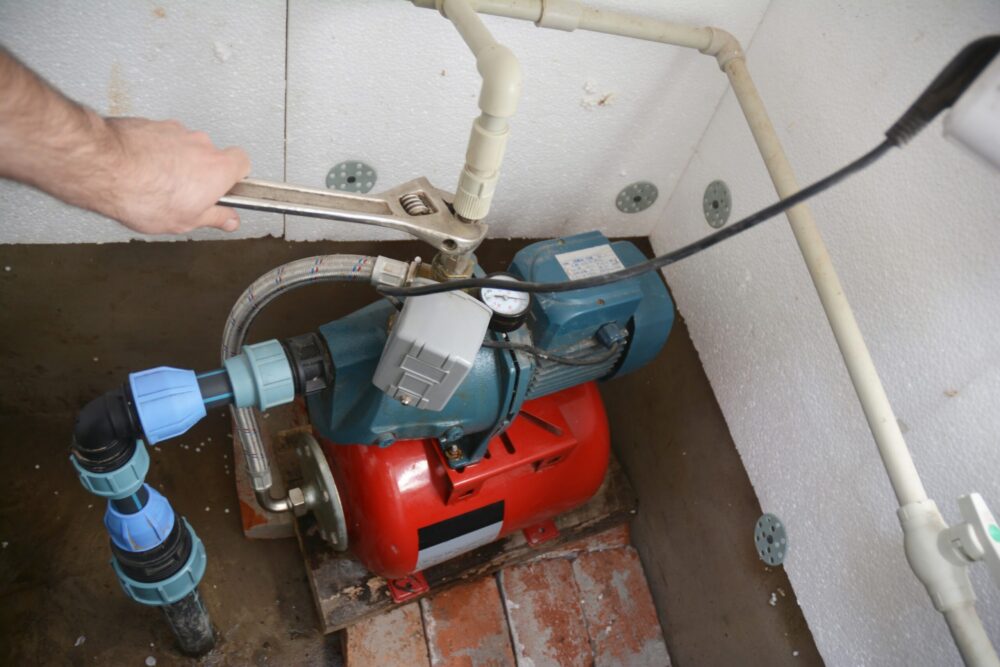



When plumbing issues arise days after temperatures rise, residents in Ohio are frequently left perplexed by cold snaps. Although pipes rupture much more frequently after cold snaps than anticipated, many people believe that pipes only fail when water freezes solid. Both residential and commercial property owners usually experience water damage, disruptions to their regular schedules, and unforeseen repair costs as a result of these circumstances.
Evergreen Plumbing & Drains frequently assists Ohio homeowners with winter pipe bursts that occur after abrupt, severe temperature changes. Property owners can see early warning signals and take action before problems worsen by knowing how frozen pipe damage in Dayton homes develops. Here are some tips for homeowners to prevent long-term harm and an explanation of why pipes break following cold snaps. Additionally, we explain why cold snaps can cause problems for heat pumps and what homeowners can do to control system performance during infrequent cold weather.

How Cold Snaps Stress Plumbing Systems
Even though freezing temperatures are short-lived, cold-weather plumbing issues put a great deal of strain on plumbing systems. Temperature fluctuations cause pipes to react rapidly, and unexpected cold snaps can introduce stresses that plumbing materials aren’t always ready to withstand. Several conditions commonly contribute to this strain during winter weather events:
- Rapid temperature changes
- Restricted water movement
- Material contraction and expansion
- Pressure imbalances
When these factors combine, pipes become vulnerable to damage even if the water inside never fully freezes.
Temperature Fluctuations and Pipe Expansion
When temperatures fluctuate, pipes expand and shrink. When pipe materials cool after an unexpected cold spell, they contract. Pipes return to their initial size when temperatures increase once more. The plumbing system’s joints, fittings, and connecting points become weakened by this frequent movement.
Pressure Buildup Inside Partially Frozen Pipes
For water to be harmful, it does not have to freeze completely. Ice buildup from partial freezing causes the pipe’s inside to narrow. Pressure accumulates behind these barriers as water flows, putting strain on the pipe walls.
One of the main causes of frozen pipe damage in Dayton homes is this internal pressure buildup, particularly in unheated locations like crawl spaces, garages, and external walls. Although the pipe might withstand for a while, the additional pressure erodes the construction and makes failure more likely.
Why Pipes Can Burst Without Freezing Solid
As long as water flows, many homeowners think pipes are safe. Unfortunately, even when faucets are still producing water, plumbing problems can arise in cold temperatures. Even in the absence of solid freezing, the following causes account for why pipes burst after a cold snap:
- Ice block formation
- Hidden internal stress
- Delayed pipe failure
- Weakened pipe sections
These conditions create damage that may not become visible until days later.
Ice Blockages and Trapped Water Pressure
Small ice blockages form inside pipes long before water freezes solid. Water is trapped behind these obstructions, which also decreases flow. As water presses up on the ice, pressure gradually increases.
That pressure eventually becomes too much for the pipe material to withstand. This explains why, even in situations where freezing seems unlikely, pipes burst after cold snap events. The weakest point in the system, like joints or deteriorating pipe sections, is frequently where the damage happens.
Weak Pipe Sections Giving Way After Thawing
The pressure inside the pipe abruptly changes as temperatures rise and ice melts. During this transition, sections weakened by freezing conditions may rupture or crack. Stress accumulated while thawing may cause pipes that withstood freezing conditions to break down later.
Common Warning Signs of Post-Freeze Pipe Damage
Recognizing warning signs early helps limit damage following winter pipe bursts, which Ohio homeowners face each year. Some of the most common warning signs include:
- Unusual water pressure
- Discolored water
- Damp surfaces
- Unexpected increases in water usage
These indicators suggest internal pipe damage that should not be ignored.
Reduced Water Pressure or Discolored Water
Cracks or restrictions inside pipes reduce water flow and allow sediment to enter the system. Discolored water or low pressure are frequently signs of interior damage brought on by plumbing problems in cold weather.
After a cold snap, it’s critical to keep a close eye on plumbing performance because these symptoms can develop gradually.
Hidden Leaks Behind Walls or Ceilings
Some leaks appear behind floors, walls, or ceilings and are invisible. Hidden leaks are frequently indicated by warped surfaces, peeling paint, musty aromas, or moisture stains.
If these leaks are not fixed, mold growth and structural damage may result. After a cold snap, many pipes burst without any obvious symptoms right away; a professional assessment is crucial.
Count On Evergreen When Pipes Burst
In the event of a cold snap, prompt and dependable repair is crucial when pipes burst. Evergreen Plumbing & Drains provides dependable solutions for cold-weather plumbing issues, frozen pipe damage that Dayton properties experience, and emergency plumbing situations that require immediate attention across Ohio. Our team’s priorities are precise diagnoses, efficient repairs, and preventing more harm to your property. To arrange your service, get in touch with Evergreen Plumbing & Drains right now!
FAQs
Common concerns homeowners have about plumbing problems in cold weather are addressed in the following questions. Better protection and quicker action are made possible by understanding how damage happens.
Why Do Pipes Burst After Temperatures Warm Up?
Pipes often burst after warming because melting ice releases trapped pressure. Once the water flow returns to normal, weak pipe parts break. Damaged sections experience increased stress due to expansion upon thawing. Delayed failures are common after cold snaps.
Can Pipes Be Damaged Even If Water Is Still Flowing?
Indeed, damage is not prevented by running water. Pipe pressure can still be trapped by partial freezing. Internal stress may develop without visible signs. Damage usually shows up later.
Where Do Winter Pipe Bursts Commonly Occur In Homes?
In Ohio, basements, crawl spaces, garages, and exterior walls are frequently the locations of winter pipe bursts. The air is cooler in these places. Risk is increased by inadequate insulation. These are the places where many failures start.
How Quickly Should A Burst Pipe Be Addressed?
Burst pipes require immediate attention. Delays allow water damage to spread rapidly. Moisture weakens structural materials. Fast response limits repair costs.
Can Small Winter Leaks Turn Into Major Plumbing Issues?
Yes, small leaks can quickly worsen. Cold weather can cause plumbing issues that weaken pipe materials over time. Pressure changes expand minor damage. Early repairs prevent larger failures.